Accepting applications for 2026-27. Talk to an advisor

Accepting applications for 2026-27. Talk to an advisor
As you’ve traveled through the foundational concepts of Ayurveda—prakriti, vikruti, the doshas and gunas, the dance between inner and outer balance—you may be wondering: What does it mean to truly live Ayurveda, day by day? How do you move beyond theory and into a real, personal rhythm of self-healing?
This is about integration, where the timeless wisdom of Ayurveda becomes both practical and transformative. It is a living path for your unique wellness, growth, and self-discovery.
Ayurveda is not simply a health system to consult only when things go wrong. It’s an invitation to cultivate a deeper, more engaged partnership with your body, mind, emotions, environment, and the universe at large. Self-healing in Ayurveda is a journey—one shaped by daily choices, gentle self-reflection, and ongoing adaptation.
Living Ayurveda doesn’t require dramatic overhauls or rigid regimens. It begins with a shift in awareness: seeing yourself as a dynamic system of relationships, patterns, and feedback loops. You’re learning to notice, respond, and realign—not from judgment, but from curiosity and care.
With each section of this guide, you’ve gained new tools for self-observation:
Putting this understanding into practice means your daily life becomes your “laboratory.” You experiment. You observe. You learn how even subtle shifts—like adjusting your breakfast, taking a short walk after a meal, adding mindful pauses to your workday, or creating a gentle bedtime routine—can make a powerful difference.
Ayurveda encourages you to notice these small changes—not to perfect yourself, but to cultivate responsiveness and resilience.
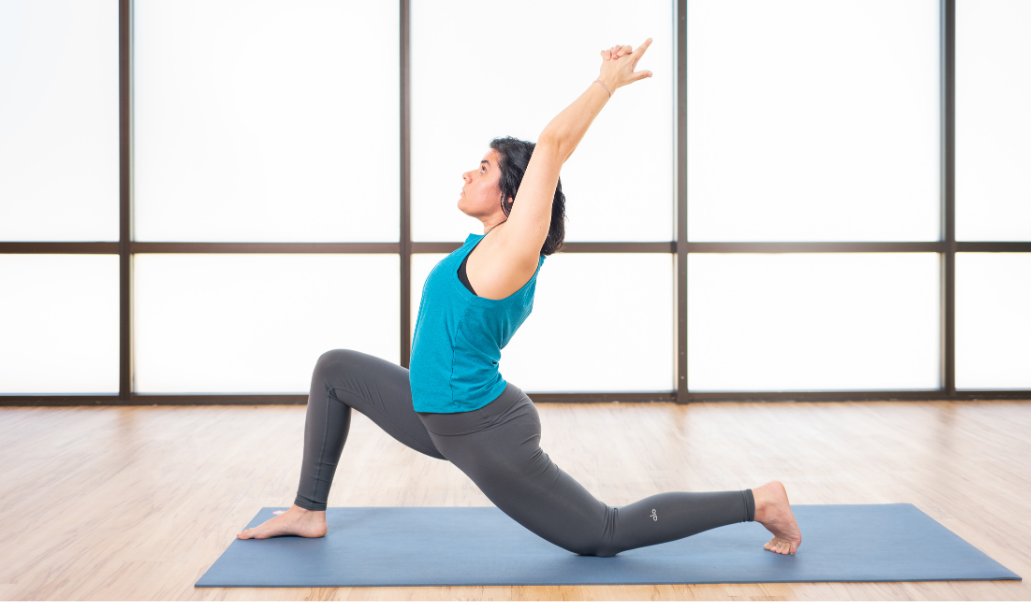
Life is in constant motion. No matter how much you learn or how skilled you become, the world is always changing: seasons turn, relationships evolve, work demands shift, and your own body and mind move through cycles of growth.
Ayurveda’s great strength is its flexibility. The habits that ground you in winter may be too heavy for summer. The foods that heal during youth may need revision as you age. What serves you under stress may be different once harmony is restored.
Integration means making space for this dance of adaptation. Through Ayurveda, you become familiar with the signs your system sends—early symptoms, energy fluctuations, subtle cues—and you’re empowered to tweak your choices, routines, and self-care accordingly. Your day-to-day experience becomes a feedback loop, not a straight line.
Perhaps the most profound lesson Ayurveda offers is reimagining what “healing” means. In Western models, healing is often seen as reaching a static ideal—a final cure, a point of perfection, an absence of symptoms.
Ayurveda points toward healing as a process—the ongoing, compassionate work of returning to balance as life unfolds. Discomfort, illness, or setbacks are not proof of failure, but invitations to listen more deeply, to re-align, and to restore connection with what serves your wellbeing.
You learn that there is no single right answer, but a living relationship with your own needs, nature, and goals. Every symptom, shift, or success is information; every step is valuable.
One of the most beautiful aspects of integrating Ayurveda into daily life is how seamlessly it can work alongside modern medical care. Rather than viewing these approaches as competing systems, we can embrace them as complementary pathways that enhance and support each other in profound ways.
Modern medicine excels at acute care, diagnostic precision, emergency intervention, and addressing serious health conditions with evidence-based treatments. Ayurveda shines in prevention, chronic care, lifestyle optimization, and addressing the root causes of imbalance before they manifest as disease. Together, they create a more complete picture of health and healing.
This integration might look like working with a physician for regular screenings and necessary medications while using Ayurvedic principles to support your body’s natural healing processes. For instance, if you’re managing blood pressure with conventional medicine, you might also incorporate stress-reducing pranayama practices, heart-healthy spices like turmeric in your diet, and gentle daily routines that support cardiovascular health.
The key to successful integration lies in open communication with all your healthcare providers. Share your Ayurvedic practices with your doctors, and work with qualified Ayurvedic practitioners who understand the importance of medical collaboration. Many conditions benefit from this dual approach—using modern medicine for immediate stabilization while employing Ayurvedic lifestyle practices for long-term wellness and prevention.
Perhaps most importantly, this integrative approach honors your whole person. While modern medicine focuses on specific symptoms or systems, Ayurveda considers your unique constitution, current state of balance, emotional well-being, and life circumstances. This comprehensive view can help you make more informed decisions about your health and create a healing journey that feels both scientifically sound and personally meaningful.
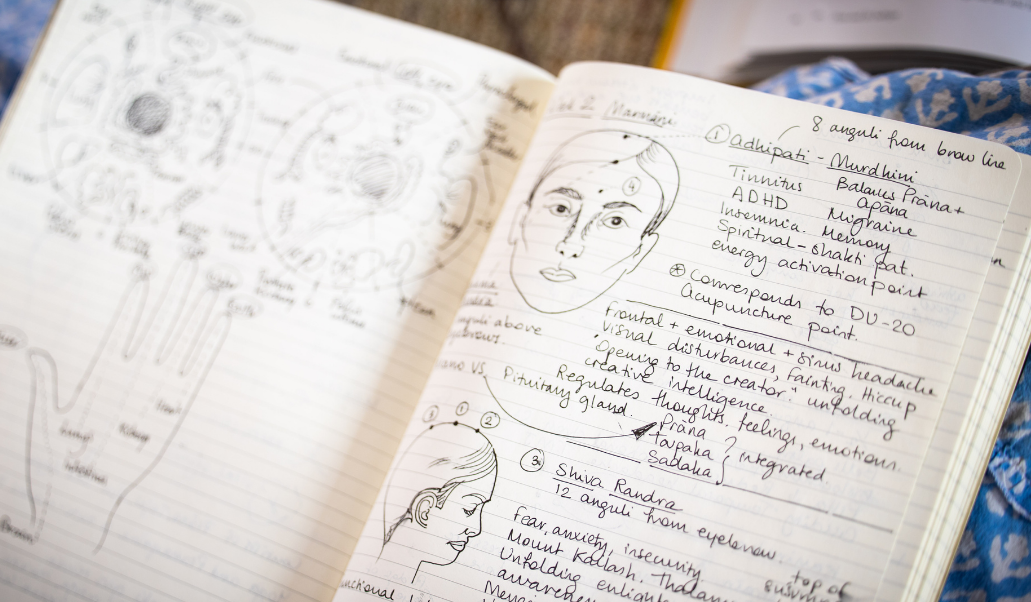
So, what does a living, integrative Ayurvedic practice look like?
To integrate Ayurveda is to accept it as a lifelong companion—not a set of restrictive rules, but a reservoir of wisdom to draw upon, adapt, and grow with. Each day, you gather more insight into what keeps you balanced and what disrupts you. You discover how to prepare for changes before they become crises, how to restore calm amid turbulence, and how to shape a life that feels vital and meaningful.
As you continue this journey, Ayurveda meets you right where you are—and walks with you into each new chapter, season, and stage.
Integration is not about achieving perfection, but living in partnership with your unique, ever-evolving nature. Ayurveda provides both the compass and the tools. The work is not to memorize rules, but to develop deep trust in your own capacity to notice, adjust, and return to balance.
With each gentle course correction, you are practicing self-healing day by day, choice by choice, breath by breath.
As you move forward, remember: Ayurveda lives not just in books or tradition, but within you. The more you listen, adapt, and honor your natural rhythms, the more your daily life becomes an expression of health, harmony, and growth: the art and science of living in balance.
Your Lifelong Path with Ayurveda—Practice, Study, and Community