Accepting applications for 2026-27. Talk to an advisor

Accepting applications for 2026-27. Talk to an advisor
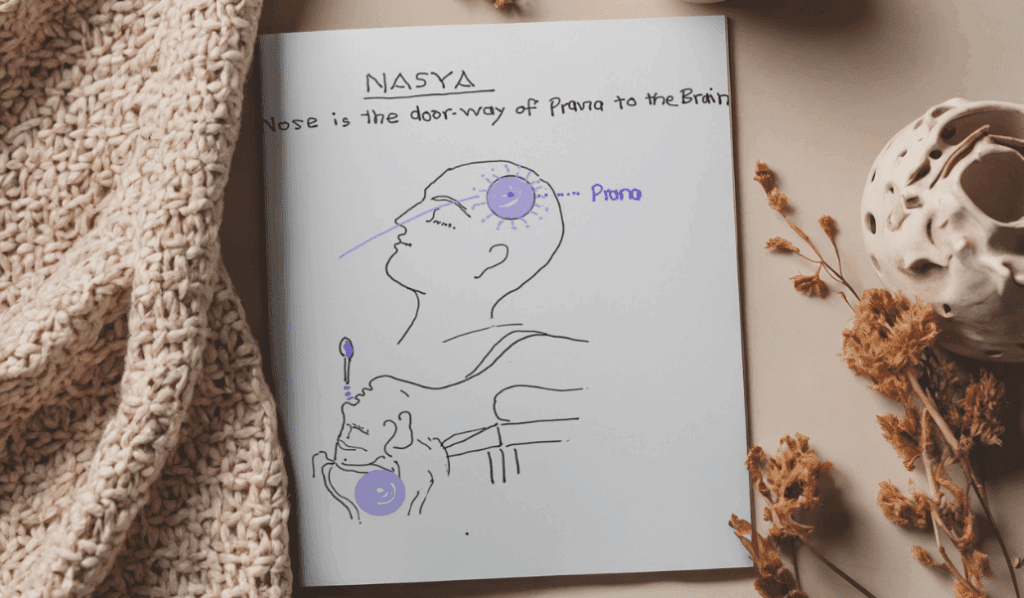
In Ayurveda, the nose is considered the gateway to the brain and consciousness itself. Why? The nose is one passageway in which therapeutics can navigate through the blood-brain barrier. Nasya therapy harnesses this profound connection through the gentle administration of medicated oils and herbal preparations directly into the nasal passages. This time-honored practice offers a direct pathway to balance the mind, cleanse the head and neck region, and restore harmony to our most vital life force—prana.
For thousands of years, Ayurvedic physicians have recognized that what we breathe and how we breathe profoundly impacts our mental clarity, emotional balance, and overall vitality. Nasya therapy transforms this understanding into a practical, accessible treatment that can be both a daily wellness ritual and a powerful therapeutic intervention.
Nasya, derived from the Sanskrit word “nasa” meaning nose, is the therapeutic practice of administering medicinal substances through the nasal passages. As one of the Panchakarma treatments, it specifically targets the region above the collar bone including the head, neck, and sensory organs.
According to Dr. Vasant Lad and the classical Ayurvedic texts, the nose serves as the direct route to the brain, making Nasya uniquely effective for treating conditions affecting the mind, nervous system, and sensory organs. The therapy works on the principle that the nasal passages are intimately connected to the brain through the olfactory system and cribriform plate, allowing medicines to directly influence consciousness, memory, and cognitive function.
Traditional Ayurvedic texts describe Nasya as “shirah kapala shuddhi”—purification of the head and skull. This reflects the therapy’s primary function: cleansing accumulated toxins (ama) and excess doshas from the head region while simultaneously nourishing and strengthening the tissues.
Pratimarsha Nasya represents the daily maintenance approach to nasal health. Using just 2-3 drops of medicated oil in each nostril, this gentle practice:
Dr. Vasant Lad frequently recommends incorporating Pratimarsha Nasya into daily routine (dinacharya) as a simple yet powerful preventive measure. The oils commonly used include sesame oil for vata constitution, coconut oil for pitta, or specially formulated nasya oils that balance all three doshas.
Cleansing Nasya employs strong herbal preparations to eliminate excess kapha dosha and accumulated toxins from the head region. This type uses:
Cleansing Nasya is particularly effective for chronic sinusitis, excessive mucus production, certain types of headaches, and conditions where kapha dosha has accumulated in the head region. The treatment stimulates the elimination of waste products through sneezing, tearing, and nasal discharge—natural cleansing responses that clear blocked channels.
Nourishing Nasya uses medicated oils and ghee preparations to strengthen, lubricate, and rejuvenate the tissues of the head and neck. Common preparations include:
This therapy is especially beneficial for vata-related conditions such as anxiety, insomnia, dry sinuses, tinnitus, and neurological disorders. The oils penetrate deeply into the tissues, providing nourishment at the cellular level while promoting the healthy flow of prana vata.Ayurveda-Today-Vol-18-to-20.pdf
Sedative Nasya focuses on pacifying aggravated doshas using mild, balancing preparations. These formulations neither strongly cleanse nor heavily nourish but instead gently restore equilibrium. Typical preparations include:
This approach is ideal for inflammatory conditions, chronic allergies, and situations where gentle balancing is needed rather than strong intervention.
Marsha Nasya involves larger therapeutic doses, typically 5-10 drops per nostril, administered under professional guidance for treating specific conditions. This intensive approach requires:
Nasya therapy offers profound benefits for the entire respiratory system. By lubricating and medicating the nasal passages, it helps clear chronic congestion, reduces inflammation in the sinuses, and prevents the accumulation of mucus that can lead to infections. The therapy is particularly effective for managing seasonal allergies, chronic sinusitis, and respiratory sensitivity.Ayurveda-Today-Vol-21-to-23.pdf
The direct connection between the nose and brain makes Nasya uniquely effective for enhancing mental function. Regular practice can improve concentration, memory, and overall cognitive clarity. The therapy helps balance sadhaka pitta (the aspect of pitta governing mental processing) and supports healthy neurotransmitter function.
Through its influence on the nervous system, Nasya helps regulate emotional responses and supports the body’s natural stress management mechanisms. The therapy can reduce anxiety, promote better sleep, and enhance overall emotional resilience by balancing prana vata and tarpaka kapha in the head region.
Practicing Nasya on a regular basis can enhance the function of all five senses. Many practitioners report improved sense of smell and taste, clearer vision, better hearing, and enhanced overall sensory perception. This occurs because the therapy nourishes the tissues supporting sensory function and clears obstructions in the subtle channels.
For various neurological conditions, Nasya provides direct nourishment to nervous tissue. It can be beneficial for conditions like migraine headaches, tension headaches, certain types of seizures, and neurodegenerative conditions when used as part of a comprehensive treatment approach.
For Pratimarsha Nasya (preventive), 3 – 5 drops daily is ideal. Therapeutic Nasya should be done under professional guidance, typically in courses of 7-15 days with rest periods between.
Early morning on an empty stomach is ideal, though evening applications can also be beneficial. Avoid Nasya immediately after meals or when experiencing acute illness.
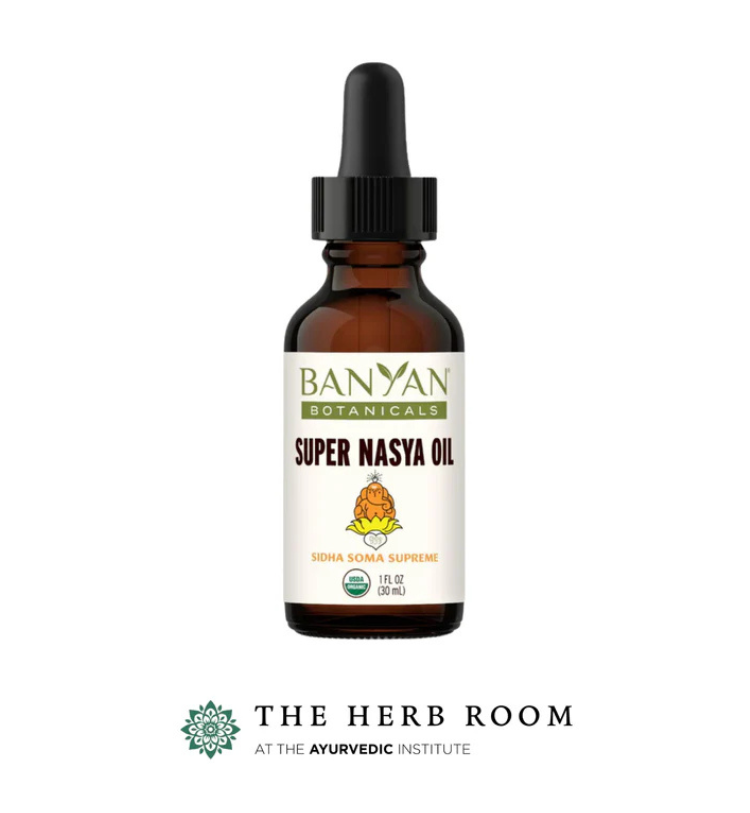
While plain sesame or coconut oil can be used occasionally, properly prepared medicated oils provide superior therapeutic benefits and are specifically designed for nasal use. Try Super Nasya formulated by Dr Vasant Lad.
Yes, with appropriate oils and dosages. Children typically use smaller amounts (1-2 drops) and gentler preparations. Always consult with your healthcare provider or Ayurvedic practitioner for pediatric applications.
Avoid exposure to cold air, dust, smoke, or strong winds immediately after treatment. Also avoid cold drinks, heavy exercise, and emotional stress for at least 30 minutes post-treatment.
Yes, regular Nasya practice can significantly reduce seasonal allergies by strengthening nasal tissues, clearing accumulated toxins, and balancing the immune response.
When nasya is performed correctly with appropriate preparations, side effects are rare. Possible mild reactions include temporary nasal irritation, sneezing, or tearing—all considered normal cleansing responses.
Nasya treatment should be avoided during pregnancy, menstruation, acute illnesses or infections, after heavy meals, intense cleansing therapies, or alcohol consumption, as well as by young children, the very elderly, those who are extremely weak, or anyone with bleeding disorders, recent head injury, or high blood pressure. Always consult a qualified practitioner to ensure nasya is appropriate for your situation.
Modern science confirms what Ayurveda has long recognized: the nose provides a direct pathway to the brain. The olfactory system connects directly to the limbic system, which governs emotions, memory, and various neurological functions. When medicated substances are administered through Nasya, they can:
Nasya works by addressing doshic imbalances specifically in the head and neck region:
The therapy operates on two complementary principles: shodhana (purification) and shamana (pacification). Cleansing preparations remove accumulated toxins and excess doshas, while nourishing formulations strengthen and rejuvenate the tissues. This dual action ensures both immediate relief and long-term health benefits.
Super Nasya Oil
Developed by Dr. Vasant Lad, this formulation comes from his extensive ayurvedic practice. It pulls from classical formulations while being formulated in a way that supports the modern user. It includes herbs like eucalyptus, mint, and other clarifying herbs that provide both immediate relief and long-term benefits. You can purchase this from the Ayurvedic Institute here.
Brahmi Ghee
Brahmi Ghee is infused with Brahmi (Centella asiatica), a herb celebrated for its rejuvenating effects on the brain and nervous system. When administered as nasya—typically five drops of lukewarm Brahmi Ghee in each nostril—it helps cleanse, oleate, and cool the mind and its channels. The practice is known to support clarity, enhance memory, soothe emotional agitation, and maintain the functional integrity of the brain, especially benefiting those with excess pitta or those seeking support for mental calmness and cognitive function. You can purchase this from the Ayurvedic Institute here.
Banyan Botanicals Nasya Oil
This commercially available preparation uses organic herbs and oils to create a balanced formula suitable for daily use. It includes gotu kola, calamus, and other brain-nourishing herbs in a sesame oil base. You can purchase this here.
Traditional nasya oils undergo elaborate preparation processes involving:
Nasya therapy represents one of Ayurveda’s most elegant and effective interventions, offering a direct route to healing and balance through the simple act of nasal administration. Whether used as a daily preventive practice or as part of a comprehensive therapeutic program, Nasya provides unique benefits that complement and enhance overall health and well-being.
The therapy’s power lies in its simplicity and directness—by working through the nose, we can influence the brain, balance the doshas, and support the entire respiratory and nervous systems. As our understanding of the gut-brain axis and nasal-brain connection continues to evolve, the ancient wisdom of Nasya therapy becomes increasingly relevant for modern health challenges.
For those interested in incorporating Nasya into their wellness routine, beginning with gentle, daily applications of appropriate medicated oils offers a safe and effective introduction to this profound therapy. With proper guidance and high-quality preparations, Nasya can become a cornerstone of preventive health care and a powerful tool for addressing specific health concerns.