Join us for Open House on April 18th (RSVP Here)

Join us for Open House on April 18th (RSVP Here)
Have you ever felt restless, anxious, or struggled with dry skin and cold hands? Perhaps you’ve faced difficulty settling your mind or digestive irregularities like constipation. These are common signs of an imbalance in vata dosha—the principle of movement in Ayurveda. But vata doesn’t only bring challenges; when in balance, it is the source of creativity, enthusiasm, and vitality that fuels all movement and change in life.
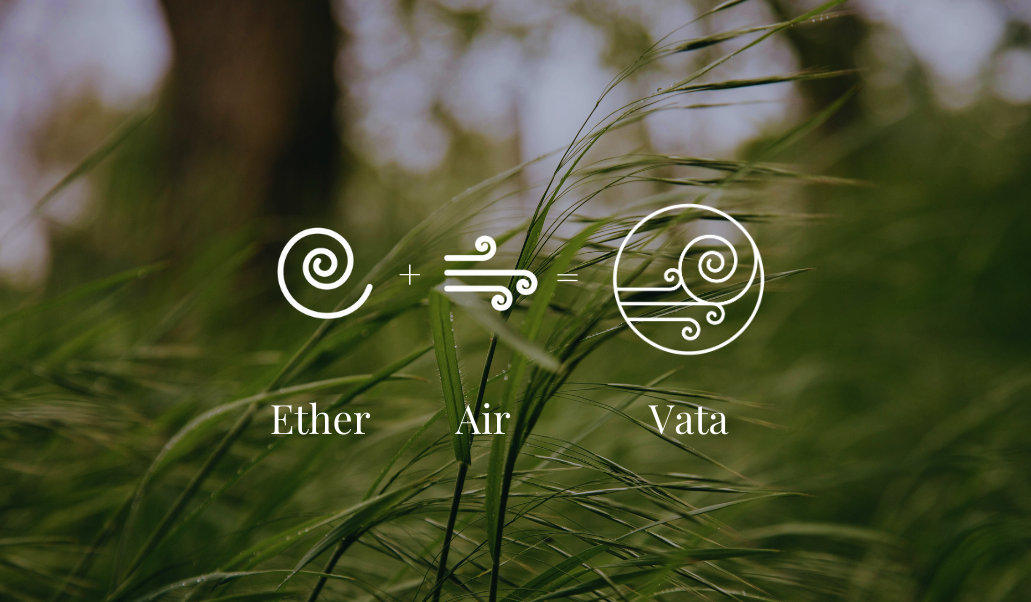
Vata dosha arises from the forces of ether (space) and air. It governs all motion in the body and mind, including breathing, muscle contractions, nerve impulses, and even the flow of thoughts and emotions. Vata energizes creativity and adaptability, making it the dynamic force behind all physical and mental movement.
Structurally, vata is responsible for movement in the colon, skeletal system, nervous tissue, and elimination channels, while mentally it governs activity, perception, and sensory awareness. Its fundamental qualities are dry, light, cold, rough, subtle, mobile, and clear—both supporting vitality when balanced and causing disruption when aggravated.
When nurtured and balanced, Vata is a tremendous source of energy, flexibility, and inspiration. Here are some of the positive qualities Vata brings to those in balance:
Vata-predominant individuals usually have a slender frame with prominent veins and joints, dry or rough skin, and varying digestive capacity. They often feel cold, especially in extremities, and may experience frequent constipation or bloating. Mentally, vata types tend to be quick-thinking, creative, and enthusiastic, but prone to forgetfulness, anxiety, and mental chatter.
Do you relate to feeling physically restless or easily overwhelmed? Do irregular eating or sleeping patterns throw you off balance? The unsettling sensation of being “ungrounded” or perfectionism combined with fatigue are hallmarks of a vata imbalance.
Vata imbalance arises when the subtle elements of air and ether become excessive or disturbed in our system. Common causes include:
Recognizing these factors allows you to take proactive steps to nurture grounding, warmth, and stability, helping to restore balance to body and mind.
Vata, the energy of movement and change, is essential for creativity and adaptability, but when it becomes imbalanced, it can manifest as instability and distress in both body and mind. Here are some common signs and symptoms that indicate vata is out of balance:
These symptoms can affect your physical health, digestion, mental clarity, and emotional wellbeing. Frequent irregular bowel movements, dry skin, and joint discomfort can accompany feelings of anxiety and restlessness. If you notice these signs, it may be time to consider practices that help ground and soothe vata through warmth, routine, nourishment, and calm.

Balancing vata is about creating warmth, stability, and lubrication in body and mind:
Vata-balancing diets emphasize warm, moist, nourishing meals with moderate amounts of sweet, sour, and salty tastes. Good choices include oatmeal, basmati rice, cooked root vegetables (carrots, sweet potatoes), soups, stews, ghee, and warming spices like ginger, cinnamon, and black pepper.
Avoid raw salads, dried and crunchy foods, cold beverages, and stimulants that increase dryness and coolness. Herbs and teas such as chamomile, licorice, holy basil (tulsi), and ginger are excellent to soothe vata’s digestive and nervous systems.
Vata’s influence extends deeply into the nervous system, making mental and emotional health central to overall balance. Anxiety, restlessness, and mental chatter often accompany Vata imbalances, creating a feedback loop that worsens physical symptoms.
Regular meditation, gentle yoga, and breath awareness cultivate inner calm, clarity, and emotional stability. Practices such as mindfulness and simple focused breathing repair the disrupted rhythms of vata while promoting grounded presence.
Vata tends to increase in the dry and windy autumn and early winter seasons, heightening vulnerability to imbalance. Following seasonal routines (rRitucharya) such as warming diets, increased oil massage, and gentle heat-producing exercises help counteract these environmental aggravations and maintain balance.
In Ayurvedic medicine, excess vata dosha can manifest as nerve-related issues such as anxiety, restlessness, tingling sensations, muscle twitches, and neurological imbalances, as vata governs the nervous system and movement in the body. A supportive practice includes daily self-massage (abhyanga) with warm sesame oil, which helps calm vata by providing grounding, warmth, and nourishment to the nervous system while promoting circulation and reducing nerve sensitivity.
Vata embodies life’s movement and creativity, but also instability and change. When balanced, it stimulates vitality, enthusiasm, and agility in body and mind. When out of balance, it causes dryness, anxiety, and physical discomfort.
If you resonate with the restless energy of vata, know that Ayurveda offers a gentle, compassionate pathway to restore harmony. Embrace warmth, routine, nourishment, and mindfulness, and remember that healing is a gradual process tuned uniquely to you.
Dr. Vasant Lad reminds us, Ayurveda is less about perfection and more about attentive awareness and loving adjustment. Begin today with small, nurturing steps and allow your energy to settle into natural rhythm and ease.
Your journey to balancing vata is your own—the wisdom of Ayurveda is there to guide and support you every step of the way.
Vata governs movement, so imbalance often shows up where irregularity and dryness are most apparent. Common signs include dry or rough skin, cold hands and feet, variable appetite, bloating or gas, constipation or irregular elimination, light or interrupted sleep, restlessness or worry, racing thoughts, difficulty focusing, muscular tension, cracking joints, and feeling ungrounded or over-stimulated—especially in windy, cold, or transitional seasons.
Anything that increases the qualities of cold, dry, light, subtle, rough, and mobile can elevate vata. Frequent causes include irregular routines (meal times, sleep/wake), excessive travel (especially flying), skipping meals or eating on the go, raw/cold/light foods in excess, overstimulation (screens, multitasking, constant novelty), high stress without recovery, grief or sudden life change, too much intense exercise without grounding, cold/dry climates, and autumn/early winter seasonal shifts.
Apply the principle “opposites reduce”: bring in warmth, moisture, steadiness, nourishment, and rhythm.
Small, consistent changes soothe Vata more effectively than occasional intensity.
Emphasize warm, moist, and grounding meals with mild spices:
Aim for three regular, sit-down meals; consider a light, warm evening meal for sleep quality.
Herbs that warm, ground, and nourish the nervous system are most supportive:
Use herbs alongside routine, diet, and lifestyle measures for best results. If pregnant, on medication, or managing complex conditions, consult a qualified practitioner before starting herbs.
Pitta Dosha: Fire, Focus, and Transformation