Join us for Open House on April 18th (RSVP Here)

Join us for Open House on April 18th (RSVP Here)
In Ayurveda, the magic of healing and self-awareness unfolds when you grasp not only your unique constitution (prakriti) but also your current state of health and imbalance—known as vikriti. While prakriti is the unchanging blueprint of who you are, vikriti reflects how life’s experiences, choices, and environment impact you in the moment. This dynamic interplay creates a powerful feedback mechanism for your wellness journey, helping you recognize what supports your harmony—and what nudges you toward disharmony and disease.
Vikriti means “deviation” or “that which has changed.” It describes the shifting state of your doshas—Vata, Pitta, and Kapha—as they respond to your diet, lifestyle, seasons, stress, emotions, and environment. Unlike Prakriti, which remains constant throughout life, Vikriti fluctuates daily, weekly, seasonally, and through life stages.
Understanding Vikriti is like having a mirror held up to your current state of well-being. It shows how well—or poorly—your body, mind, and spirit are aligned with their natural rhythms and your innate constitution.
The interplay of the three doshas is at the heart of Vikriti. Each dosha carries distinct qualities called gunas—the natural attributes that define its activity and effects. According to Ayurveda, approximately 20 gunas combine in ever-changing ways to shape your state of health. These qualities influence everything from digestion and energy levels to emotions and mental clarity.
For example, Vata‘s dry, cold, and mobile qualities might increase when exposed to cold wind or irregular schedules. Pitta‘s hot and sharp qualities could rise due to stress or spicy food. Kapha’s heavy and moist qualities might accumulate through inactivity or damp weather.
When your current doshas and their gunas are in balance and harmony, your body functions smoothly, emotions stay stable, and you experience vitality and ease. When out of balance, these qualities intensify or diminish in ways that fuel discomfort, disease, or emotional unrest.
Learning to observe Vikriti gives you a practical tool for self-care and healing. It allows you to:
With Vikriti as your guide, every experience becomes feedback to help you return closer to your natural state of balance.
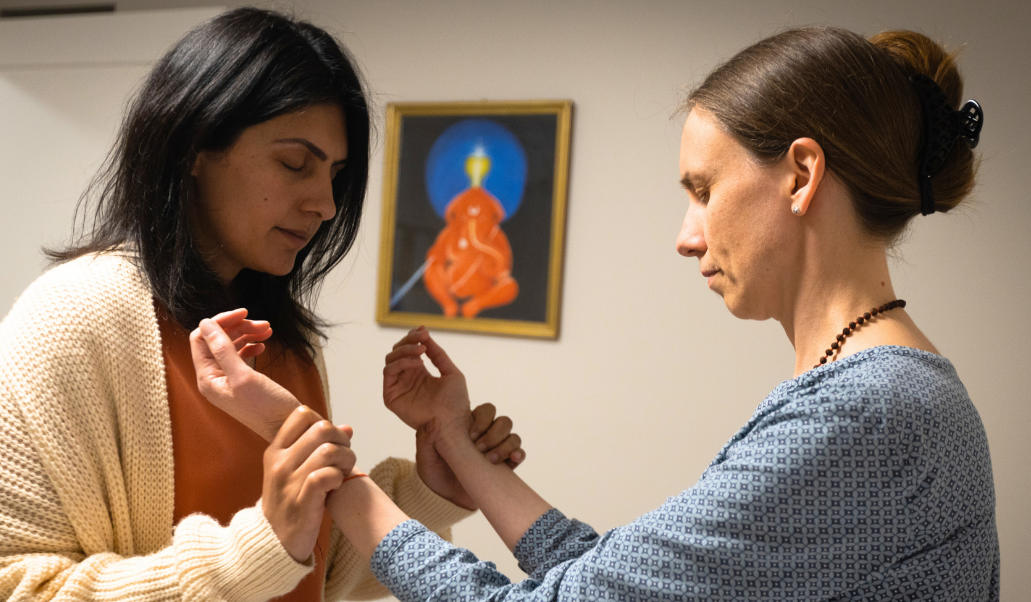
Ayurveda encourages you to tune into your body and mind to recognize shifts in your doshic balance. Some common signs of imbalanced Vikriti include:
Self-reflection, journaling, meditation, and Ayurvedic pulse diagnosis can deepen your awareness of Vikriti patterns over time.
The concept of Vikriti refreshes Ayurveda’s view of health as a living, evolving state. As you navigate your days, the choices you make interact with your constitution and environment, causing changes that ripple through your system.
For example, neglecting sleep or consuming heavy, oily foods might increase Kapha qualities temporarily, leading to sluggishness and congestion. Stress or skipping meals might elevate Pitta, resulting in irritability or inflammation. Exposure to cold, dry weather may ramp up Vata, causing restlessness and dry skin.
By noticing these fluctuations—and responding thoughtfully—you create a powerful feedback loop. Each observation guides you toward habits that cultivate resilience and balance, preventing minor imbalances from becoming chronic disease.

The dance between your constant Prakriti and your ever-shifting Vikriti creates the dynamic vitality of Ayurveda. Recognizing and honoring your current state of balance is where Ayurveda’s true healing potential unfolds. It empowers you to become an active participant in your health’s unfolding story rather than a passive recipient of treatment.
Dr. Vasant Lad, founder of The Ayurvedic Institute, reminds us that self-awareness rooted in Vikriti is a gift—offering ongoing insight into what nourishes or disrupts your harmony. This knowledge is a compass guiding you back to wholeness, clarity, and vibrant wellbeing.
Embrace the wisdom of Vikriti as your personal health mirror and teacher. With each day, observe, learn, and gently realign—allowing Ayurveda’s timeless principles to support your unique path to balance in body, mind, and spirit.
The Journey of Self-Healing—Integrating Ayurveda in Daily Life